
What Acupuncture Offers When You Need It Most
Part One of Two
A cancer diagnosis changes everything.
The treatment that follows, whether surgery, chemotherapy, radiation, hormone therapy, or immunotherapy, is designed to save your life. It does that work with a force that is felt in every system of the body. The side effects are not incidental. They are the evidence of medicine doing something profound and difficult, and they can leave a person feeling in ways they never anticipated and cannot always describe.
What most people going through cancer treatment do not know is that there is something that can meaningfully support them through this period. Not as an alternative to their oncologist’s care, but as a companion to it. Something that helps the body withstand treatment more effectively, manage side effects more completely, and hold onto something that is easy to lose in the hardest weeks of treatment.
Hope.
What the Research Shows
he evidence base for acupuncture as a supportive therapy during cancer treatment is now substantial enough that major Western medical institutions are not just acknowledging it. They are recommending it.
In 2022, the American Society of Clinical Oncology and the Society for Integrative Oncology issued joint guidelines recommending acupuncture for chemotherapy-related nausea and vomiting during and after breast cancer treatment, and for general cancer pain and musculoskeletal pain. This is not a fringe endorsement. This is mainstream oncology acknowledging what the research has consistently shown.
Memorial Sloan Kettering Cancer Center, one of the world’s leading cancer treatment institutions, has published research showing that acupuncture can limit chemotherapy-induced neuropathy, fatigue, hot flashes, anxiety, dry mouth, nausea, vomiting, and pain. One study found acupuncture to be more effective than ondansetron, a standard anti-nausea medication, in preventing delayed nausea and vomiting caused by chemotherapy.
A 2024 review published in OBM Integrative and Complementary Medicine summarized the current state of acupuncture in oncology care, noting that acupuncture provides personalized symptom management and improved quality of life alongside conventional treatments, with proven efficacy in alleviating chemotherapy-induced side effects including nausea, fatigue, and pain.
Research has also shown that electroacupuncture significantly improved anxiety, depression, and fatigue compared to standard care alone, and that acupuncture shows meaningful potential in addressing psychological distress, something that matters enormously in cancer treatment but is often left largely unaddressed by conventional oncology.
Sources: ASCO/SIO Joint Guidelines 2022; Memorial Sloan Kettering Cancer Center, mskcc.org; Litscher G., OBM Integrative and Complementary Medicine, 2024, doi:10.21926/obm.icm.2402022; Journal of Cancer, Therapeutic Effects of Acupuncture and Electroacupuncture on Cancer-related Symptoms and Side-Effects, jcancer.org/v12p7003
A Note on Language
Something worth saying clearly before we go further.
Acupuncture does not treat cancer. What acupuncture treats is the person who has cancer, the whole system, the whole person, the full experience of what that body and mind and spirit are going through. This distinction is not a legal nicety. It is the foundational philosophy of the medicine itself. We are not in the business of targeting tumors. We are in the business of supporting the system that is fighting them, withstanding treatment, and working to recover.
That distinction matters because it defines what we are actually doing in the treatment room and why it works.
What Happens in Treatment
When a patient comes in who is actively going through chemotherapy or radiation, the first thing I do is the same thing I always do. I observe. I listen to the pulses. I assess where the person actually is, constitutionally, energetically, emotionally, before I make any decisions about where to begin.
Cancer treatment is profoundly depleting. The body is under a kind of sustained demand that taxes every system simultaneously. One of the most consistent patterns I see in patients undergoing active treatment is that the digestive system and energy reserves are severely compromised, often to the point where the body does not have sufficient resources to support healing alongside the demands of treatment.
This matters because healing itself requires energy. A system that is too depleted to digest effectively, too exhausted to regulate, cannot fully participate in its own recovery. In those cases, treatment begins by addressing foundational support first, helping digestion stabilize, helping the body recover enough baseline energy to begin working with the treatment rather than simply enduring it. Once we are ahead of the ball in that regard, treatment shifts toward supporting immune function between treatment cycles and addressing the specific side effects the patient is experiencing.
What Patients Tell Me
I want to share something that does not appear in any clinical study but that I hear consistently from patients receiving acupuncture alongside cancer treatment.
In a number of cases, patients have told me that acupuncture helped keep their hope alive.
The days immediately following chemotherapy can leave a person in an emotional spiral that is difficult to describe to someone who has not been through it. The physical depletion is profound. The emotional weight of what the body is experiencing, what it is being asked to survive, can become very heavy. And in that heaviness, it is possible to lose sight of what the body is still capable of feeling.
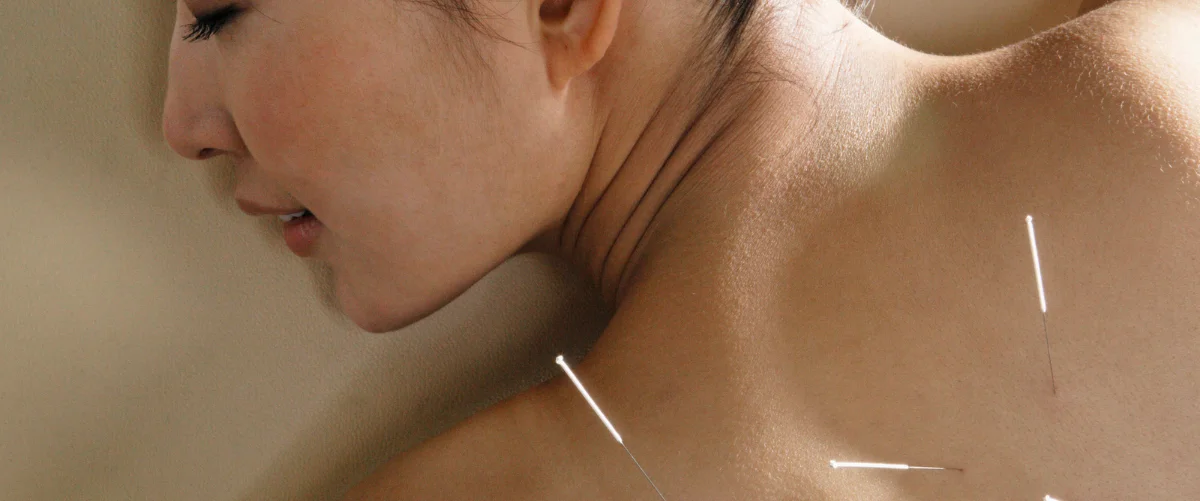
Acupuncture, as the systems begin to find balance and the body responds, helps the brain remember that it can feel good again. That sensation, the return of even a brief window of feeling well, is not a small thing when you are in the middle of cancer treatment. It is a reminder that the body is still there, still capable, still fighting.
I also hear consistently from patients receiving acupuncture that their experience of treatment side effects differs notably from what others going through the same treatment without acupuncture describe. I want to be careful to present this honestly. I am a practitioner observing my own patients, not a researcher conducting a controlled trial. But what I observe, consistently, is that patients receiving acupuncture alongside their conventional treatment often do not experience some of the side effects others describe, and in the strong majority of cases the side effects they do experience are not of the severity reported by those not receiving acupuncture.
The research suggests this is not coincidence.
A Word About Coordination of Care
If you are undergoing cancer treatment and considering acupuncture, you do not need your oncologist’s permission. But it is worth telling them. Acupuncture is safe during cancer treatment and does not interfere with chemotherapy or radiation. An increasing number of oncologists are not only aware of its benefits but actively supportive of their patients pursuing it.
In the Sheboygan area, the oncology community has some familiarity with integrative acupuncture care through a legacy that matters to me personally. Dr. Max Haid, a former oncologist and hematologist at the cancer center in Sheboygan who later became a licensed acupuncturist himself, was a practitioner whose work bridged these two worlds. When he retired from practice, he passed his patients to me with his full confidence, a gesture I do not take lightly and that reflects a deep respect for what both approaches offer when they work together.
That is the spirit in which this care is offered. Not as an alternative to your oncologist. As a partner in your recovery.
You Do Not Have to Go Through This Alone
Cancer treatment is one of the hardest things a human body can be asked to endure. The medicine that treats it is powerful and necessary and imperfect, and the experience of going through it deserves more support than most people are currently offered.
If you or someone you love is navigating cancer treatment and has not yet explored what acupuncture might contribute to that journey, it is worth a conversation.
Come tell me your story. We will figure out the rest together.
Part Two of this series will address acupuncture for post-treatment recovery, rebuilding what cancer treatment depletes and finding your way back to yourself after the hardest chapter is over.
7 Stones Acupuncture & Wellness serves patients throughout Sheboygan County and Southeast Wisconsin. To schedule an appointment or ask a question, call or text (262) 622-3602 or visit 7stonesacupuncture.com.
Sources: American Society of Clinical Oncology and Society for Integrative Oncology Joint Guidelines, 2022; Memorial Sloan Kettering Cancer Center, mskcc.org/news/acupuncture-for-neuropathy-cancer-pain-anxiety-and-more; Litscher G., Acupuncture in Oncology, Update 2024, OBM Integrative and Complementary Medicine, doi:10.21926/obm.icm.2402022; Journal of Cancer, Therapeutic Effects of Acupuncture and Electroacupuncture on Cancer-related Symptoms and Side-Effects, jcancer.org/v12p7003.
