

Ancient Wisdom Meets Modern Motherhood
There is a particular kind of exhaustion that follows childbirth that no one quite prepares a new mother for.
Not the sleeplessness, though that is real and relentless. Something deeper than that. A depletion that lives in the bones, in the blood, in the emotional landscape of a woman whose body has spent nine months creating another human being and then released that life into the world through one of the most physically demanding experiences a body can undergo.
And then, almost immediately, she is expected to carry on.
This post is for every mother who has been told that what she is feeling is simply part of the process, that her body will recover in time, that she just needs to ride it out. Because while that is not entirely false, it is far from the whole picture. And there is considerably more support available than most new mothers are ever offered.
What the Body Has Just Been Through
Nine months of pregnancy is not a passive experience for the mother’s body. It is an act of extraordinary biological generosity. The developing fetus draws what it needs from the mother’s reserves — minerals, nutrients, hormonal resources — and the mother’s body gives, often at its own expense. If her nutritional intake during pregnancy does not fully compensate for what is being drawn upon, the body will sacrifice from its own stores. From the bones. From the blood. From the deepest reserves the system holds.
Then comes birth — a process that involves significant blood loss, hormonal upheaval, and a physical demand that leaves most systems in a state of profound depletion. What follows is not simply recovery. It is a complete systemic rebuilding.
In Traditional Chinese Medicine, this period is understood as one of the most critical transitions a woman’s body will ever navigate. The approach to supporting it is specific, intentional, and rooted in a wisdom that has been refined over thousands of years.
Blood Deficiency — Both Kinds
In TCM, the postpartum period is characterized first and foremost by what is called blood deficiency.
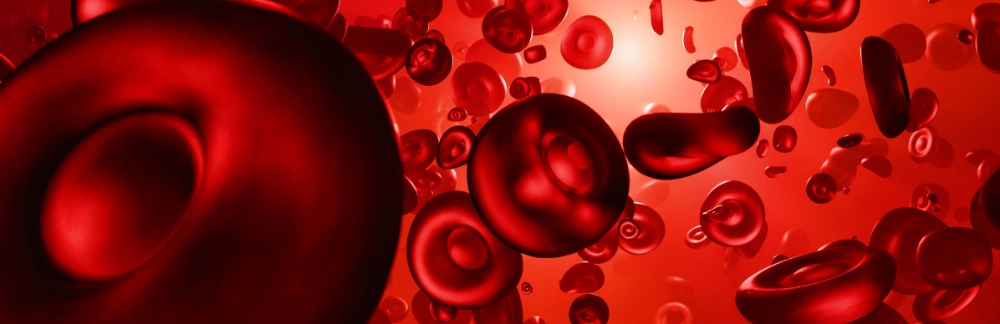
It is worth understanding what this actually means because it has two distinct dimensions that Western medicine rarely addresses together.
The first is the literal loss of blood during birth and the need to restore blood volume. This much is understood and addressed in conventional postpartum care.
The second is less commonly discussed and arguably more significant. Over the course of nine months, the blood has been progressively depleted of the minerals, nutrients, and other constituents that keep the body’s systems firing in balance and harmony, because much of that has been redirected to the developing baby. The mother’s blood volume may be adequate by conventional measures while still being severely depleted of the contents that make it functional. This is why so many postpartum mothers feel profoundly unwell even when their labs appear normal.
At the same time, the spleen system in TCM, which governs digestion and the transformation of food into usable energy, has been under sustained demand and is often significantly depleted. Exhaustion compounds this because digestion itself requires energy, and when the body has none to spare, its ability to extract nourishment from food diminishes accordingly.
Food as Medicine: The First Weeks
This is where nutrition becomes not a lifestyle consideration but a clinical one.
The first two weeks postpartum are focused on two things: restoring blood and supporting digestion. The key is providing foods that are simultaneously highly nutritious and easy for a depleted digestive system to process, because a system that does not have the energy to digest cannot benefit from even the most nutrient-dense foods if they require significant effort to break down.
Bone broth is foundational in this period for exactly this reason. Beef bone broth in particular provides the full mineral content needed to begin restoring blood quality and strengthening digestion, and it does so in a form that is immediately bioavailable and requires almost no digestive effort to absorb. It is nourishment the body can receive without having to work for it.
Congees — rice porridges prepared through long, slow cooking — serve a similar purpose. They provide easily digestible carbohydrates that support energy restoration without taxing a system that has nothing in reserve.
Warming foods, gentle spices, and easily digestible preparations form the foundation of these early weeks. Cold, raw, and highly processed foods are minimized because they place unnecessary demands on a digestive system that is already running on empty.
As Recovery Progresses
As the weeks unfold and digestion begins to stabilize, the nutritional focus shifts.
During pregnancy, the ovaries and placenta produce a hormone called relaxin, which softens blood vessels, muscles, joints, and ligaments to prepare the body for birth. When the placenta leaves the body, relaxin production ceases and the body begins the process of returning to its pre-pregnancy structure. This transition requires specific nutritional support — good quality proteins and healthy fats that give the soft tissues what they need to restore and rebuild, with particular attention to muscle and tendon health.
Alongside this nutritional progression, acupuncture contributes what food alone cannot fully accomplish. The balancing of hormones as the body returns to its own rhythms. The tuning of the liver and other organ systems as blood is restored. The support of the nervous system as it recalibrates from the sustained demand of pregnancy and birth. And perhaps most importantly, the emotional and mental dimension of recovery that is among the least addressed and most consequential aspects of the postpartum period.
The Part Nobody Talks About
In traditional Japanese and Chinese medicine, the first thirty days after birth are considered among the most important days of recovery for the mother and immunological development for the baby. Mother and child are not expected to leave the house. The mother is supported, nourished, and protected from the demands of ordinary life so her body can do the profound work of recovery without interruption. Sexual activity is discouraged for a minimum of one hundred days. These are not arbitrary cultural customs. They reflect a deep understanding of what the body actually needs and how long genuine restoration takes.
In modern American society, these considerations are almost entirely absent. A new mother is expected to heal, care for a newborn, manage a household, and often return to work within weeks. The message, spoken or unspoken, is that she should be able to carry on. That it will all sort itself out in time.
This is not simply an inconvenience. It is a profound disrespect for the process a mother has just been through and for the body that carried it out. And the burden this places on a woman who is already hormonally depleted, physically exhausted, and emotionally raw — at the precise moment when she is most vulnerable and most in need of support — can have effects that are real, lasting, and largely invisible because nobody is talking about them honestly.
Acupuncture cannot change the culture. But it can help the nervous system navigate it. It can support the hormonal rebalancing that conventional medicine often dismisses as something to simply endure. It can address the pelvic pain, the prolapse concerns, the physical complications of birth that linger far longer than they should. And it can offer a space where a new mother is genuinely heard — not told to carry on, but actually listened to.
A Vision Taking Shape
At 7 Stones, we believe that postpartum mothers deserve more tangible support than they are currently being offered. The nutritional wisdom of TCM applied to the specific constitutional needs of a new mother recovering from birth is not something that can be reduced to a pamphlet or a generic meal plan. It requires individual assessment, clinical knowledge, and the kind of care that takes time to prepare and deliver.
It is a vision we are actively working toward — finding ways to bring this support to the mothers who need it most in a form that is genuinely useful rather than theoretical.
That conversation is just beginning. But it is one we intend to see through.
If you want to make the world a better place, start with the mothers.
Where to Begin
If you are navigating the postpartum period and something feels unresolved — whether it is physical pain, hormonal imbalance, emotional overwhelm, or simply the persistent sense that your body has not yet found its way back to itself — you do not need to keep waiting for it to sort itself out.
Come tell me your story. We will figure out the rest together.
7 Stones Acupuncture & Wellness serves patients throughout Sheboygan County and Southeast Wisconsin. To schedule an appointment or ask a question, call or text (262) 622-3602 or visit 7stonesacupuncture.com.
